


Are Electric Vehicle Batteries Too Heavy?
Posted by Clean Fuels Intern on Jun. 21, 2023 / Electric Vehicles / Subscribe 0
By Andrea Hernandez-Gaudin
As the popularity of electric vehicles (EVs) rises, so do their criticisms. Safety concerns surrounding the weight of EVs have brought in discussions of potential implications they may have while on the road. Although EVs are known to have many benefits, chairwoman of the National Transportation Safety Board (NTSB), Jennifer Homendy spoke of the unintended consequences they may have.
Homendy noted Ford’s F-150 Lightning EV pickup is no more than 3,000 pounds heavier than the same model’s conventional counterpart. Although EVs are not carrying metal engines, they carry lithium-ion batteries needed to power the vehicle. The battery weight of an EV is determined by car size and energy storage capacity. This typically means the bigger, and consequently heavier, the battery is, the more energy it can store. The energy density in an EV battery is significant for the power it can produce since it determines how long the range is. Unfortunately, there is no comprehensive list of EVs comparing weight to confirm that all EVs are heavier than their combustion counterparts. However, the Vehicle Technologies Office (VTO) is supporting research and development to ease this concern about EVs. VTO research efforts have found that lightweight materials can reduce vehicle body weight by up to 50%. Since 2012, there has been an 8-fold increase in the volumetric energy density of batteries which usually means they can go further with the same sized batteries. It is anticipated that battery weights will continue to decrease as battery technologies evolve, while still providing extended vehicle range.
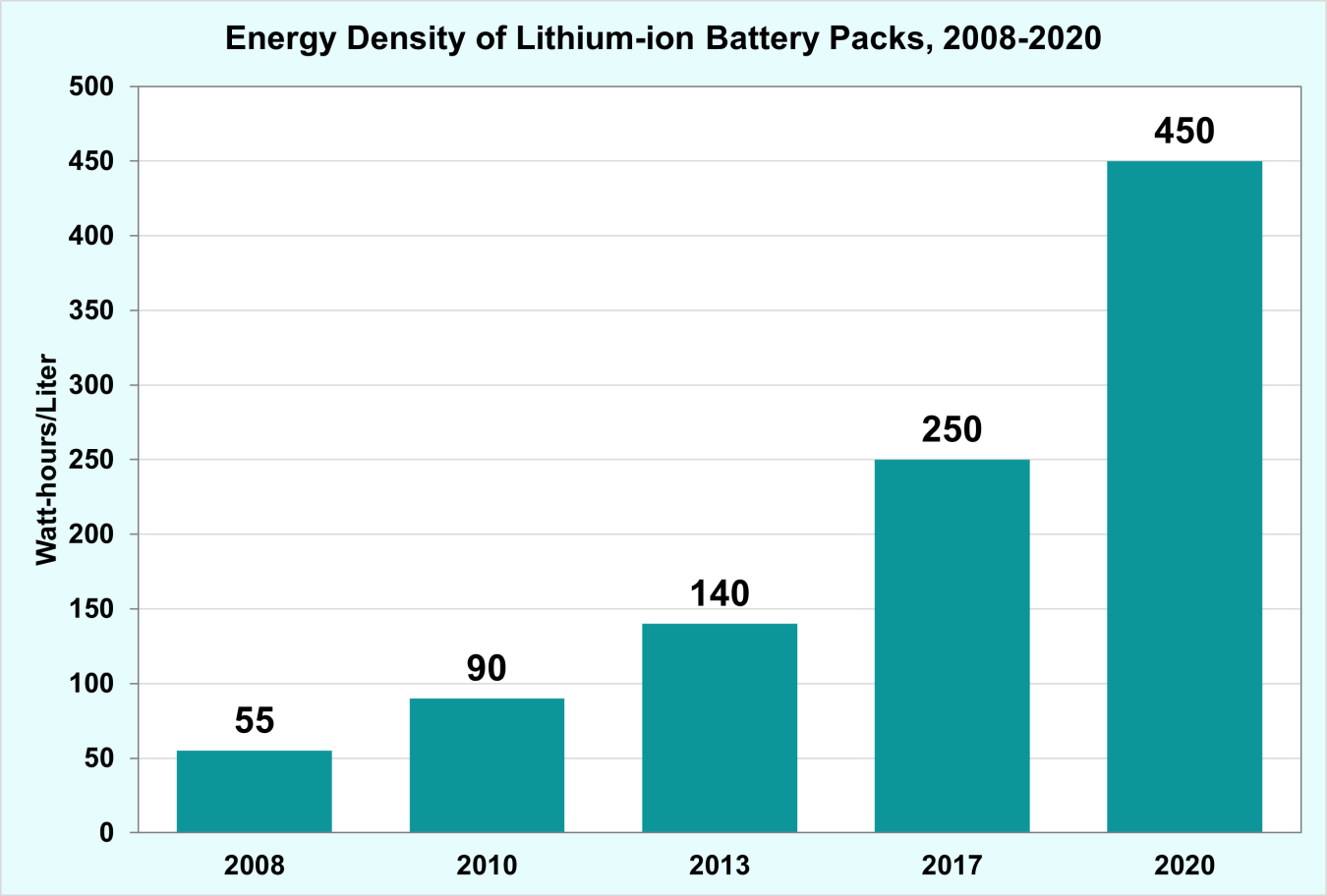
While EVs may be heavier than their internal combustion engine (ICE) counterparts in some cases due to battery weight, weight differences are not a major concern according to experts. EVs are purposefully designed for aerodynamics and lower vehicle weights, without compromising safety, to help offset battery weights. States can also pass weight exemptions to allow EVs to exceed the federal maximum gross vehicle weight limit for comparable conventional fuel vehicles. While the nation has seen an increased interest in heavier sport utility vehicles (SUVs), the concern that EVs put wear and tear on roads persists. Infrastructure experts say, “Most roads, highways, and bridges are designed to take the weight of huge commercial trucks that are much, much heavier than even the stoutest electric passenger vehicles.” Research suggests that there is more of a concern about Suburban vehicles causing more wear and tear on the roads than EVs.
Homendy’s concerns about the weight are mainly due to the destruction EVs might have on the road during impact with other less heavy cars. However, all EVs meet the same, if not more stringent, safety standards that ICE vehicles do. The heavier weight of EV batteries can also have a positive safety implication according to the Alternative Fuels Data Center. EVs tend to have a lower center of gravity than conventional vehicles making them less likely to roll over. This is due to the lithium-ion batteries being placed in the floorboard of the vehicle, thus making it heavier at the bottom. Another feature to mention is the advanced technology of EVs which helps prevent accidents in the first place. Overall, EV rates of injury claims are about 40% lower than their conventional counterparts due to safety features such as forward collision protection and lane assist. As EV technology changes with improvements in battery technology, it is evolving in safety measures as well. Due to EVs being developed from internal combustion engines, there is a limit to how they are pieced together. However, the transition to EVs is underway which is why many original equipment manufacturers (OEMs) are investing in EV development and production plans. Since EVs are produced in factories intended for ICE vehicle production, there will be a reworking of the entire assembly process. This is due to the differences in design for EVs versus ICE vehicles. EVs have fewer moving parts such as not needing exhaust systems, alternators, starters, and more compared to ICE vehicles. As productions continue to evolve, OEMs catering directly to EVs will have more opportunities to include safety and efficiency considerations in the production process.

0 Comments